MDA is a DoD agency, not a service, with specific acquisition authority
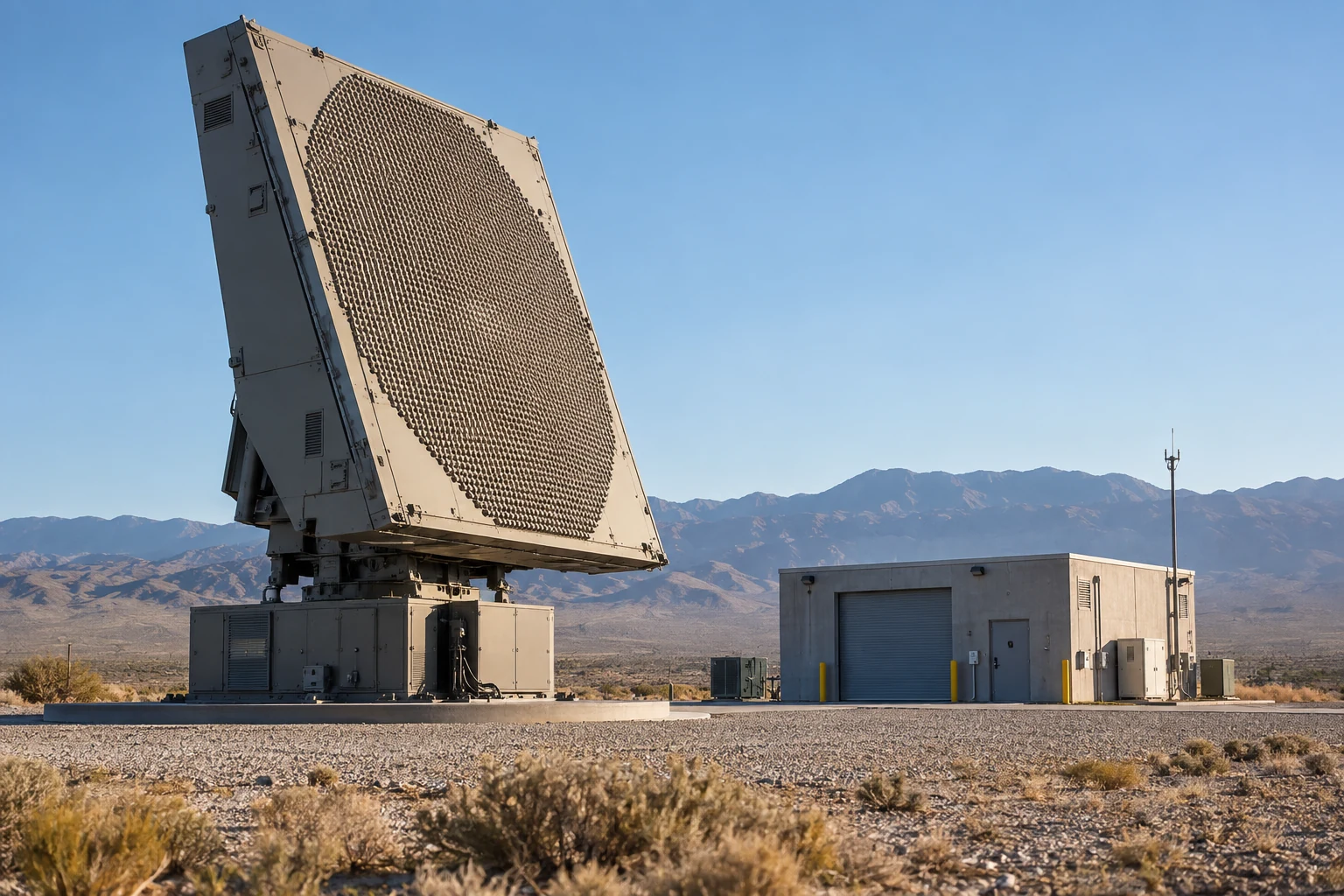
The Missile Defense Agency is a DoD agency established in 2002 with unique acquisition authority to develop, test, field, and improve the Ballistic Missile Defense System (BMDS). MDA answers directly to the Under Secretary of Defense for Research and Engineering and has non-traditional acquisition flexibility. MDA manages an integrated system of systems spanning sensors, interceptors, command and control, and battle management.
MDA Phase II awards regularly exceed $2M and can reach $5M+ for systems with clear transition paths. MDA has an active Phase III pipeline — more so than most DoD components.
MDA SBIR topic volume is moderate — typically 15 to 25 topics per cycle — and the topics are tightly scoped to BMDS technical needs. The pool of bidders is heavier with traditional missile defense primes and specialist small firms, so winning here favors firms with specific technical fit rather than broad AI capability.
MDA AI/ML topic areas and opportunity size
Editorial weighting from public sources and practitioner reading — illustrative, not a measured statistic.
BMDS as the organizing concept

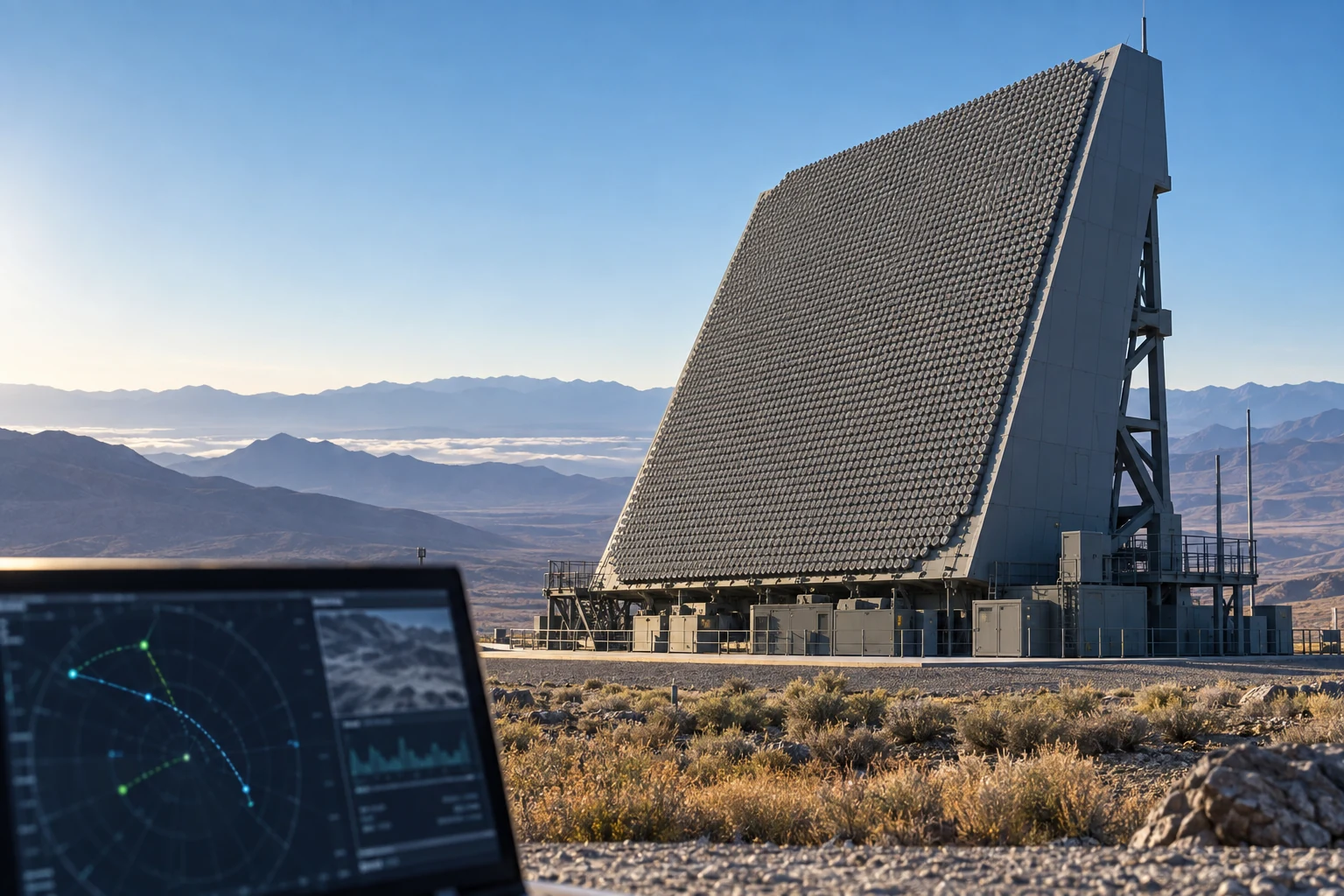
BMDS is a multi-layered defense integrating terrestrial radars (AN/TPY-2, Sea-Based X-band, Cobra Dane, Upgraded Early Warning Radars), space-based sensors (the emerging Hypersonic and Ballistic Tracking Space Sensor HBTSS, Space-Based Infrared System SBIRS, and the Next Generation OPIR constellation), interceptors (Ground-Based Midcourse Defense GBI, Aegis Standard Missile variants, Terminal High Altitude Area Defense THAAD, Patriot with PAC-3), and a command and control / battle management / communications (C2BMC) backbone. MDA SBIR topics map to one or more BMDS elements.
A Phase I proposal that names the BMDS element and the specific technical gap is better positioned than one that describes AI capability abstractly.
Where AI/ML applies
- Multi-sensor fusion — track correlation across radar, IR, and space-based sensors. Probabilistic data association, tracking under sparse updates, adversarial robustness.
- Hypersonic glide vehicle tracking — non-ballistic trajectory prediction, distributed-sensor coverage optimization, prediction under evasive maneuver.
- Discrimination — classifying warheads vs decoys vs debris from radar and IR signatures. Genuinely hard ML problem with limited real-world training data.
- Battle management decision support — engagement planning, weapon-target pairing, resource allocation under time pressure.
- Command and control automation — kill chain automation, human-machine teaming for battle management, assured AI for safety-critical decisions.
- Radar signal processing — ML-assisted clutter rejection, adaptive waveform selection, cognitive radar.
- Space sensor data processing — on-orbit processing for next-gen OPIR, HBTSS, and proliferated missile tracking constellations.
- Cybersecurity for BMDS — specialized cyber ML for missile defense networks and platforms.
Award mechanics and calendar
MDA SBIR follows the DoD joint release schedule with topic content specific to BMDS. Phase I at standard DoD amounts. Phase II transitions often tie to specific program elements (GMD, Aegis BMD, THAAD, C2BMC, the sensor programs) with named government customers.
Incumbent landscape
MDA's prime contractor base includes Lockheed Martin, Raytheon, Northrop Grumman, Boeing, L3Harris, and BAE, with specialized small and mid-cap firms in sensor processing, tracking, and discrimination. Small AI firms entering MDA typically do so through subcontract paths with these primes initially, transitioning to prime Phase III work over multiple cycles.
Review culture
MDA reviewers are engineering staff deep in specific BMDS elements. They read proposals against the real system performance requirements — not abstract ML benchmarks. A tracking proposal that does not address the specific noise, geometry, and adversarial conditions of BMDS sensors reads as naive. Proposals that reference actual BMDS test event data (publicly discussed), the specific radar or sensor, and the quantitative performance gap are taken more seriously.
Phase III at MDA
MDA Phase III transitions flow through the BMDS program elements. Sensor improvements transition into upgrade programs for AN/TPY-2, Cobra Dane, or space sensor constellations. Discrimination improvements transition into GBI, THAAD, or Aegis upgrade cycles. Battle management improvements transition into C2BMC. The transitions are specific and technical; vague Phase III plans do not survive review.
Classification and data
Significant MDA work is classified. Phase I can often be structured as unclassified or CUI, with Phase II raising the classification bar. Firms without cleared personnel can enter through unclassified Phase I with a plan to obtain clearances or partner with cleared firms for Phase II. The classification environment also constrains test data access, making synthetic or prior public test event data important for Phase I work.
Practical steps for a first MDA SBIR
- Pick one BMDS element aligned with your technical capability (sensor, interceptor, C2BMC, specific program).
- Read the publicly available test event reports and congressional testimony on that element's current performance and known gaps.
- Contact the MDA topic POC during pre-release.
- Consider teaming with a known BMDS prime or specialist small firm for Phase III transition.
- Write the proposal with specific BMDS element references, quantitative performance gaps, and credible transition plan.
- Plan clearance sponsorship if Phase II will require it.
Bottom line
MDA SBIR is a specialized market that rewards BMDS-specific technical depth. AI firms that enter usually do so in sensor fusion, discrimination, battle management, or radar signal processing, typically with prime teaming relationships from the outset. Review is by BMDS-element engineers who read proposals against real system requirements. Phase III transitions are real but specific. For a firm with genuine depth, MDA is one of the higher-quality DoD AI SBIR opportunities in 2026.
Frequently asked questions
BMDS-related technology — sensor fusion, tracking, discrimination, battle management, command and control, radar signal processing, and specialized cybersecurity for missile defense systems.
Typically 15 to 25 topics per cycle, tightly scoped to BMDS technical needs. Topics map to specific program elements including GMD, Aegis BMD, THAAD, C2BMC, and the sensor programs.
Multi-sensor fusion, hypersonic glide vehicle tracking, discrimination ML, battle management decision support, kill chain automation, radar signal processing, space sensor data processing.
Much MDA work is classified. Phase I can often start unclassified or at CUI; Phase II typically raises the bar to Secret or TS. Clearance sponsorship or partner teaming is a standard path.
Through BMDS program elements — sensor upgrades, GBI and THAAD and Aegis upgrade cycles, C2BMC integration. Transitions are specific and technical. Vague Phase III plans do not survive review.
Not strictly required but strongly helpful. A letter from a known BMDS prime indicating Phase III interest signals transition credibility and is the most efficient way for a new small firm to demonstrate it.