DTRA is a combat support agency with a specific mission
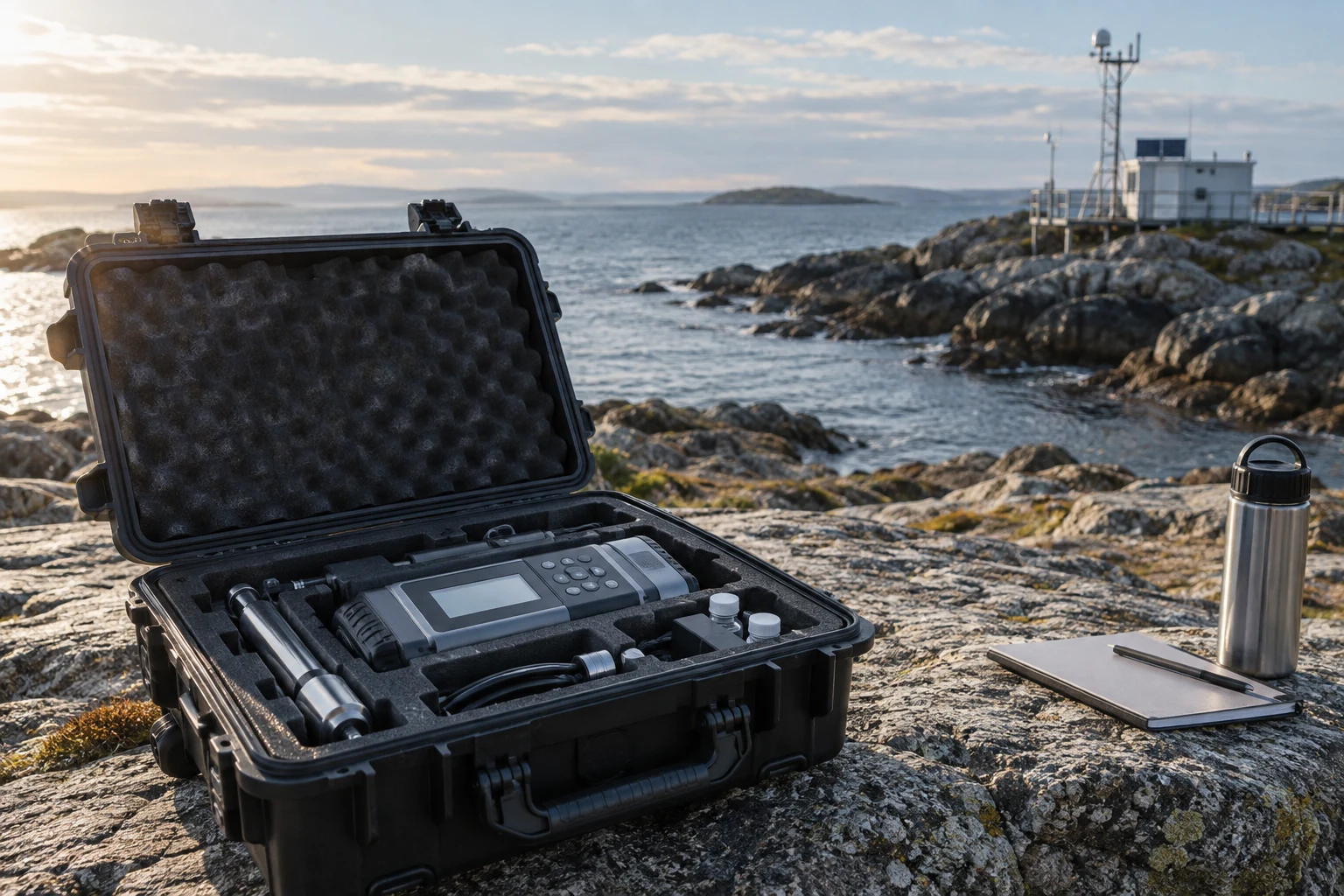
The Defense Threat Reduction Agency is a combat support agency reporting to the Under Secretary of Defense for Acquisition and Sustainment. Its mandate is concise: counter and deter weapons of mass destruction and improvised threat networks. That includes chemical, biological, radiological, nuclear, and explosive threats (CBRNE), treaty verification, nonproliferation intelligence, nuclear weapons effects, and combat support to geographic combatant commands on WMD issues.
DTRA SBIR Topic Area Relevance for AI Firms
Editorial weighting from public sources and practitioner reading — illustrative, not a measured statistic.
Defense Threat Reduction Agency funds CBRN detection, prediction, and consequence modeling. AI/ML applications include threat detection from sensor data, simulation outputs, and predictive surveillance analytics.
DTRA SBIR supports this mandate. Topic volume is modest — 10 to 20 topics per cycle — but highly specific. Topics cluster around CBRN detection, standoff sensing, signature intelligence, decision support for WMD scenarios, and nuclear forensics. For AI firms with sensing, signal processing, or intelligence analytics capability, DTRA is one of the more interesting niche markets in DoD SBIR.
The DTRA directorates
Research and Development (RD)
The R&D directorate drives most DTRA SBIR topic content. RD sub-offices cover chemical and biological technologies, nuclear technologies, information sciences and applications, and operations support. ML topics appear across all of them.
Nuclear Enterprise (NE)
Nuclear deterrence sustainment, weapons effects, and nuclear forensics. Smaller SBIR footprint but specialized topics.
Cooperative Threat Reduction (CTR)
International nonproliferation work — reducing WMD threats from legacy stockpiles and proliferation pathways. Intelligence analytics and monitoring technology topics.
Counter-WMD Operations and Global Engagement
Combat support to geographic combatant commands on WMD issues. Topics less common in SBIR but adjacent.
Warm AI topic areas in 2026
- CBRN detection ML — sensor fusion across chemical, biological, radiological, and nuclear sensors. Edge ML on detector telemetry. Trace signature detection in cluttered environments.
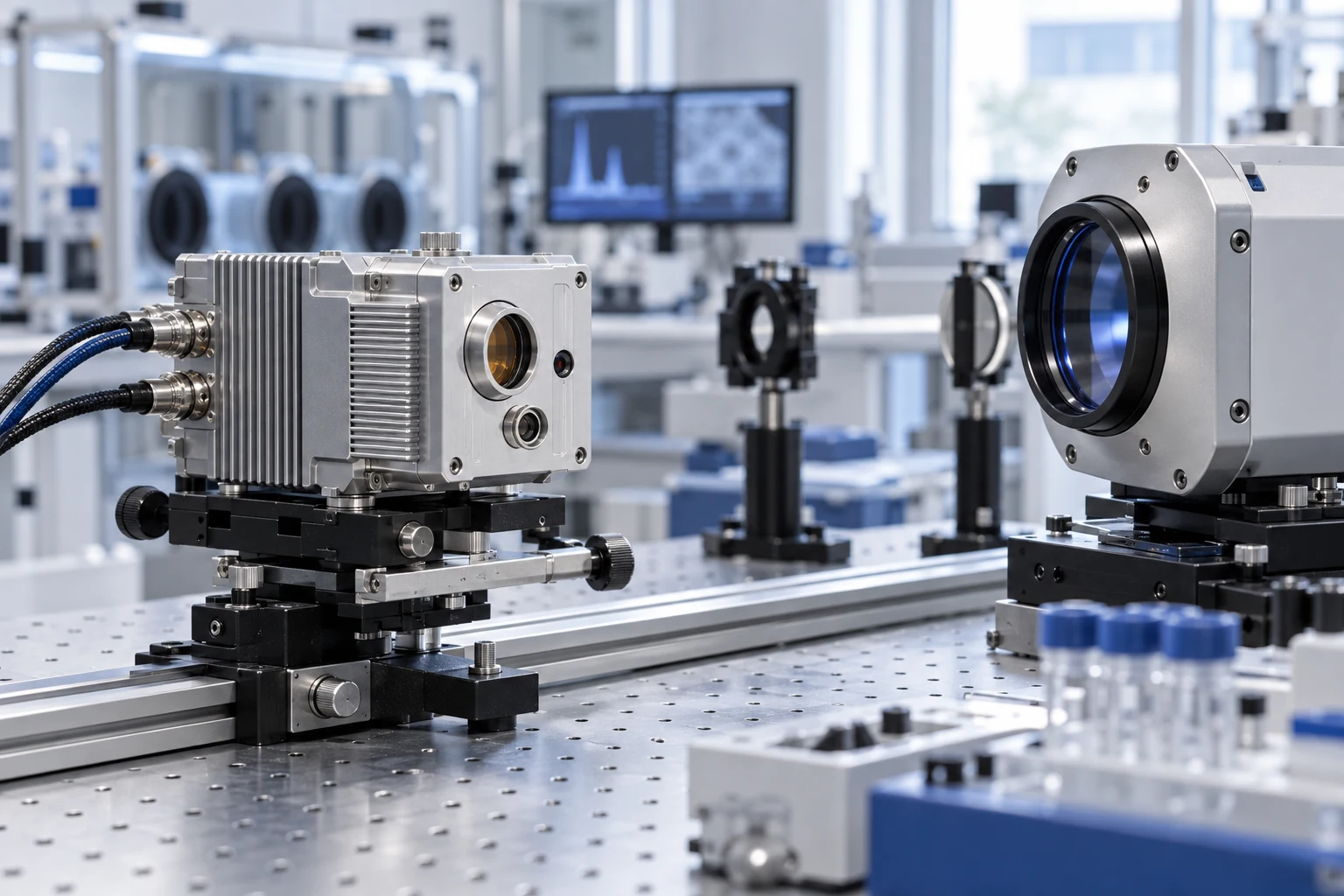
- Standoff sensing — hyperspectral, LIDAR, and RF standoff detection of CBRN signatures. ML on noisy standoff data is a genuine research problem.
- Nonproliferation intelligence analytics — NLP and graph analysis on open-source intelligence, procurement records, shipping data, and academic publication data to identify proliferation signals.
- Nuclear forensics — ML on isotopic, chemical, and morphological data to attribute nuclear material samples.
- Decision support for WMD scenarios — consequence assessment modeling, dispersion prediction, medical countermeasure allocation ML.
- Biological threat surveillance — pathogen detection ML, genomic surveillance analytics, anomaly detection in biosurveillance data streams.
Award mechanics
DTRA SBIR follows the DoD joint release schedule with standard Phase I at 150-250 thousand dollars for six months and Phase II up to 1.7 million over 24 months. DTRA occasionally runs BAA calls alongside SBIR that cover similar technical areas at larger scale for firms with prior performance.
Classification, clearances, and data
DTRA work spans unclassified through TS/SCI. Many unclassified SBIR topics feed into classified follow-on work. Firms without cleared personnel can compete on unclassified Phase I and begin the clearance sponsorship process at Phase II if the transition path requires it.
Data access is similarly structured. Some DTRA topics come with synthetic or sanitized datasets for Phase I; Phase II often requires controlled data access through DTRA facilities or secure enclaves.
Review culture
DTRA SBIR proposals are reviewed by DTRA technical staff — typically subject-matter experts in the specific threat domain of the topic. Reviewers reward proposals that show genuine understanding of the threat phenomenology, not just ML generic applicability. A CBRN detection proposal that explains the underlying signature physics before the ML approach reads better than one that treats detection as a black-box classification problem.
Phase III at DTRA
DTRA Phase III transitions through: direct DTRA contracts for operational capability deployment, transitions to geographic combatant commands for operational use, integration into DTRA-operated systems, and occasional transitions to intelligence community partners (when the capability has CBRN-relevant intelligence applications). The follow-on market is smaller than major DoD services but real.
Partner ecosystem
DTRA works closely with the National Nuclear Security Administration (NNSA), Department of Energy national labs (especially Los Alamos, Lawrence Livermore, Sandia, Pacific Northwest), the CDC and HHS for biological threats, and allied WMD authorities. A firm with lab or HHS relationships has a multiplier effect in DTRA SBIR positioning.
Practical steps for a first DTRA SBIR
- Pick a threat domain aligned with your technical capability (chemical, biological, radiological, nuclear, or explosive).
- Identify the DTRA R&D sub-office for that threat. Read its recent public statements.
- Find a relevant national lab partner. Los Alamos for nuclear forensics, Sandia for chem-bio sensors, Pacific Northwest for nonproliferation analytics.
- Contact the DTRA topic POC during pre-release.
- Write the proposal with threat phenomenology foregrounded and ML as the enabling method.
- Plan Phase III transition: DTRA operational capability, combatant command deployment, or lab program integration.
Bottom line
DTRA SBIR is a small, specialized market with high technical fit for AI firms working on sensing, signal processing, intelligence analytics, or specialized modeling. The bidder pool is smaller than mainstream DoD, the review is by subject-matter experts, and Phase III paths exist through both DTRA and adjacent agencies (DOE labs, HHS). For a firm with genuine threat-domain depth — earned through lab collaboration, prior delivery, or specialized hire — DTRA is worth a disciplined one or two proposals per cycle.
Frequently asked questions
CBRN detection technology, standoff sensing, nonproliferation intelligence analytics, nuclear forensics, decision support for WMD scenarios, and biological threat surveillance.
Typically 10 to 20 topics, smaller than service components but highly specific to the counter-WMD mission.
Unclassified work is possible for Phase I. Phase II often raises the classification bar and may require cleared personnel or clearance sponsorship. Plan the transition partner early if your team cannot clear.
Research and Development (RD). Sub-offices cover chemical and biological technologies, nuclear technologies, information sciences and applications, and operations support.
Through direct DTRA contracts, transitions to geographic combatant commands, integration into DTRA-operated systems, and occasional intelligence community partner integrations.
Los Alamos (nuclear forensics), Sandia (chem-bio sensors), Pacific Northwest (nonproliferation analytics), Lawrence Livermore (weapons effects), and others. NNSA is the umbrella DOE partner.